
Turning a spare room, garage, or converted basement into a thriving wellness business is no longer a fringe idea. More homeowners are asking whether their property can support a legitimate health and beauty enterprise without years of commercial leasing costs. If you are weighing this path, understanding the real services, licensing needs, and market opportunities involved will help you decide where to start and how far to grow. This guide breaks down the practical building blocks so you can plan with confidence rather than guesswork.
Mapping Out Your Wellness Service Lineup
Before converting any space, decide which services actually fit your skills, budget, and local demand. Some home based entrepreneurs start narrow, offering one signature treatment, then expand once they have steady clients and referrals. Think about how your offering compares to a full wellness spa down the street, since clients often expect a similar level of calm, cleanliness, and professionalism even in a residential setting. Researching what nearby competitors charge and how they position themselves will help you carve out a niche rather than competing head on.
- Facial treatments and skin consultations
- Massage therapy and stretch sessions
- Nutrition coaching or meal planning
- Mobile hydration or recovery services
- Beauty add-ons like lash and brow work
Understanding Zoning Rules and Home Business Permits
Every city and county has different rules about running a client-facing business from a residential address, so this should be your very first research step. Some areas allow home occupations with a simple permit, while others require special use approval, parking accommodations, or separate entrances. Skipping this step can mean fines or forced closure after you have already invested in equipment and renovations, so treat zoning research as non-negotiable groundwork.
Reach out to your local planning department directly rather than relying on secondhand information from other entrepreneurs. Ask specifically about client traffic limits, signage restrictions, and whether you can legally offer services like injections or advanced treatments from home versus needing a licensed medical facility. This distinction matters most if you eventually want to bring in partnerships resembling medical weight loss clinics, which typically require physician oversight and cannot legally operate the same way a simple aesthetics room can.
Designing a Calming and Compliant Treatment Space
Clients paying for wellness services expect an environment that feels intentional, not like a converted spare bedroom with leftover furniture. Good lighting, sound insulation, and a separate waiting area go a long way toward making guests feel like they have entered a professional space rather than someone’s home. Dimmable overhead lights paired with warm lamps, white noise machines near shared walls, and a small bench or chair by the entrance can accomplish this without a major renovation budget.
Flooring that can be sanitized easily, proper ventilation, and a dedicated sink are practical details that also satisfy most health inspectors. Vinyl plank or sealed hardwood tend to work better than carpet, which traps allergens and is harder to disinfect between clients. A HEPA air purifier or an exhaust fan vented outside helps with air quality, especially if you’re using essential oils, cleaning chemicals, or performing services that involve close contact.
It’s also worth checking your local zoning and licensing requirements before finalizing the room’s layout, since regulations for massage therapy, esthetics, or IV therapy can differ significantly by state and even by county. Some jurisdictions require a specific square footage per treatment table, a locked storage cabinet for supplies, or ADA-compliant access if you’re seeing the public regularly. Building these requirements into your design from the start saves you from costly retrofits after an inspector’s first visit.
Finally, think about the small sensory details that separate a spa-like experience from a merely functional one. Consistent temperature control, a designated spot for clients to store shoes and personal items, and simple soundproofing measures like a door sweep or acoustic panels can make the space feel considered rather than improvised.
Consider the flow of movement through your home so clients never wander through private family areas. A separate entrance is ideal, both for privacy and for keeping your business and personal life cleanly divided. Small design choices, like fresh flower delivery arrangements at the entrance, a display case of custom jewelry near the waiting area, or calming scent diffusers, can elevate the client experience without requiring major renovation spending.
Building Skills Through Certification and Continuing Education

Credentials matter enormously in the wellness industry, both for legal compliance and for client trust. Many successful home based practitioners started their journey at cosmetology schools, where they learned foundational skills in skincare, hair, and body treatments before specializing further. Even if your long term goal involves more advanced services, this kind of formal training builds a resume that reassures clients you are qualified, not simply self-taught.
Continuing education should not stop once you open your doors. Techniques, safety standards, and client expectations evolve constantly, so plan to attend workshops or online certification courses at least once or twice a year. This ongoing investment also lets you diversify your service menu over time, adding new offerings that keep past clients coming back.
Offering Recovery and Hydration Services Safely
One of the fastest growing home wellness trends involves recovery-focused treatments, particularly iv hydration services delivered in a private, comfortable setting. These services require a licensed medical professional on site or on call, since needles and intravenous fluids fall under stricter regulation than typical beauty treatments. Before adding this to your menu, confirm state rules around nursing supervision, medical waste disposal, and liability insurance specific to injectable or infusion services.
- Verify licensing requirements for the professional administering treatment
- Source medical grade supplies from approved vendors only
- Maintain strict sanitation and single use equipment protocols
- Carry liability insurance that explicitly covers infusion therapy
- Keep clear intake forms documenting client health history
Expanding Into Massage and Bodywork Therapy
Bodywork remains one of the most requested wellness services, and clients often seek out a home based practitioner specifically because the setting feels more relaxed than a clinical spa chain. Many people associate corporate spas with rushed appointments and impersonal service, so a converted spare room with soft lighting and personal touches can become a genuine competitive advantage.
Offering deep tissue massage requires not only certification but also proper table setup, bolster support, and enough room for a therapist to move freely around the client. Most state boards require 500 to 1,000 hours of accredited massage therapy training before licensure, so confirm your local requirements before investing in equipment. A sturdy adjustable table, quality linens, a reliable heating pad, and at least a 10-by-12-foot room will give you the working space professional bodywork demands.
Because this work is physically demanding, plan your daily schedule around adequate breaks to avoid injury or burnout. Many established therapists cap their workload at four to six massages per day and build in 15-minute buffers between sessions for stretching, hand care, and room reset. Investing in your own recovery, whether through regular chiropractic visits, forearm strengthening exercises, or ergonomic tools like adjustable stools, will extend your career and protect the income this service generates.
Before adding massage or bodywork services to your home-based wellness business, check your state’s licensing requirements, since most states require anywhere from 500 to 1,000 hours of training plus passing an exam like the MBLEx. You’ll also need to verify that your homeowner’s insurance or a separate liability policy covers bodywork, and that your local zoning laws permit clients visiting a home-based practice.
Building repeat clientele in massage therapy often comes down to consistency and communication. Ask new clients about pain points, previous injuries, and pressure preferences during every session rather than assuming their needs stay the same over time. A simple intake form, updated every few visits, helps you track changes in tension patterns, medications, or activity levels that might affect treatment.
Small touches make a big difference in how clients perceive your professionalism. Following up with a quick text the next day to ask how they’re feeling, or offering a stretch handout tailored to their problem areas, shows attentiveness beyond the table. Word of mouth referrals tend to grow quickly once clients trust that you listen carefully and adjust technique accordingly.
Consider offering package pricing, such as four sessions for the price of three and a half, to encourage clients to commit to ongoing care rather than one-off visits. Tracking session notes also protects you legally and helps you demonstrate progress if a client questions results over time.
Adding Advanced Skin and Body Contouring Treatments
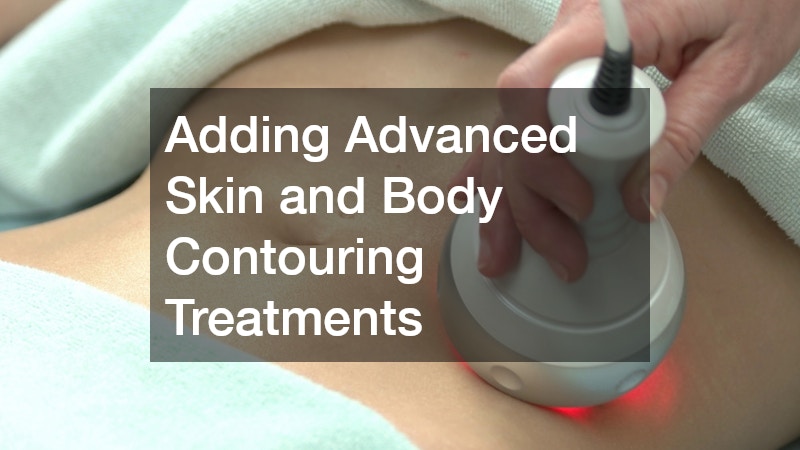
As your business matures, clients may start asking about non-surgical body contouring options, which can be a natural next step if you have the right equipment and training. Devices offering skin tightening treatments have become increasingly accessible for smaller practices, though they still require proper certification and adherence to manufacturer safety guidelines. Research equipment financing options carefully, since quality machines represent a significant investment that should align with proven client demand rather than speculation.
Before purchasing any device, ask manufacturers for training documentation and ongoing technical support agreements. Improper use of skin tightening equipment can cause burns or uneven results, which damages your reputation quickly in a business built on referrals. Starting with a trial period or rental agreement can help you gauge client interest before committing to a full purchase.
Partnering With Local Professionals to Round Out Client Care
A home wellness business does not need to operate in isolation. Building referral relationships with complementary professionals can strengthen your offering and give clients a fuller sense of care, while also feeding you a steady stream of warm leads who already trust a provider you respect.
For example, partnering with a nearby dentist for referrals on oral health related wellness concerns, such as jaw tension linked to stress, can create a natural cross-referral pipeline in both directions. A massage therapist or acupuncturist treating TMJ discomfort might send clients to that dentist for a bite evaluation, while the dentist sends patients grinding their teeth from stress your way for bodywork or relaxation coaching.
Beyond dentists, consider chiropractors, physical therapists, nutritionists, and mental health counselors as potential partners. Each addresses a piece of the wellness puzzle your home-based practice may not cover alone, and together you can offer clients something closer to true integrated care.
When formalizing these relationships, keep it simple: a one-page referral agreement, a shared intake note process, or even just a mutual understanding to mention each other during consultations. Some practitioners set a light referral fee arrangement where legally permitted, typically 5-10%, though many simply trade referrals informally to avoid compliance headaches.
Track where new clients come from so you know which partnerships are actually working. A quick tag in your booking software or a simple “how did you hear about us” question can reveal that your dentist referral, for instance, is sending you three or four clients a month worth pursuing further.
These partnerships work best when they feel genuinely helpful rather than transactional. Start by mapping out which local professionals already serve an overlapping clientele, then reach out with a specific, low-commitment idea rather than a vague “let’s collaborate” pitch.
Consider building relationships with a local piercing shop if your services include aftercare products or skin healing treatments relevant to their clients, since piercing aftercare often overlaps with skincare knowledge. You could offer a small referral discount, a co-branded aftercare kit, or simply leave educational cards at their counter explaining when a client’s healing skin might benefit from your treatments.
You might also offer to host a joint workshop with the dentist on stress-related habits like teeth grinding, giving both businesses a low-pressure way to introduce their services to a shared, wellness-minded audience. A ninety-minute evening session covering jaw tension, sleep quality, and simple at-home relaxation techniques costs little to run and positions both of you as trusted local experts.
Keep the arrangement informal at first, such as a quarterly check-in, a shared social media post, or a small stack of referral cards at each other’s front desk. If the partnership consistently sends clients both ways over a few months, that’s the signal to formalize it with a written referral agreement or a modest commission structure.
Marketing Your Home Based Wellness Business Locally
Word of mouth remains powerful, but modern clients also expect an online presence before they book anything. A simple website with clear service descriptions, pricing ranges, and real client reviews builds trust quickly. Local search visibility matters more than broad advertising, since most clients are searching for services within a short driving distance of their home.
- Claim and optimize your business listing on major search platforms
- Encourage satisfied clients to leave detailed reviews
- Share before and after photos with proper client consent
- Partner with local businesses for cross-promotion opportunities
- Attend community events to build face to face recognition
Planning Your Growth Timeline and Financial Milestones

Scaling a home wellness business works best in deliberate stages rather than rushing to offer everything at once. Start by mastering one or two core services, track your monthly revenue closely, and reinvest profits into equipment or training only once demand clearly justifies it. Setting realistic milestones, such as a certain number of repeat clients before adding a new service, keeps growth sustainable rather than reactive.
Eventually, some home based entrepreneurs outgrow their residential space entirely and move into a commercial location, sometimes even opening something resembling a small wellness spa with multiple treatment rooms and staff. Others choose to stay home based indefinitely, valuing lower overhead and a more personal client relationship. Either path can be profitable as long as your growth decisions are backed by real financial data rather than assumptions.
Building a wellness business from home is entirely achievable, but success depends on careful planning around zoning, certification, and service selection rather than enthusiasm alone. Start small, document your local rules thoroughly, and let client demand guide which services you add next. With the right groundwork, your home can become the foundation for a wellness enterprise that grows steadily and sustainably for years to come.