Planning and executing commercial construction projects requires a disciplined, strategic approach that balances business objectives with technical execution. From initial concept to final handover, each phase demands careful coordination, informed decision-making, and collaboration among multiple stakeholders. Unlike residential builds, commercial projects involve greater complexity, stricter regulations, and higher financial stakes. Businesses must navigate these challenges while maintaining timelines and controlling costs. By understanding the full lifecycle of commercial construction, organizations can reduce risk, improve efficiency, and achieve outcomes that support long-term growth.
At its core, commercial construction is not just about erecting a structure—it is about creating an environment that enables business performance. The design, layout, and infrastructure of a building directly influence productivity, customer experience, and operational scalability. Whether the goal is to open a retail location, expand industrial capacity, or develop office space, every decision made during planning has downstream effects on how effectively the space functions once it is in use.
A well-executed project begins with clarity. Stakeholders must define success in measurable terms, including budget parameters, timeline expectations, and functional requirements. This clarity informs every subsequent step, from site selection and design development to contractor selection and construction sequencing. Without it, projects are more vulnerable to scope creep, misalignment, and costly delays that can erode overall return on investment.
Another critical component is adaptability. Market conditions, supply chains, and regulatory environments can shift during the course of a project, sometimes significantly. Organizations that build flexibility into their plans—through contingency budgeting, phased development strategies, and scalable design—are better equipped to respond to these changes without derailing progress. This adaptability is especially important in today’s environment, where economic and logistical variables can impact construction timelines and costs with little notice.
Technology and data also play an increasingly important role in modern commercial construction. Project management platforms, building information modeling, and real-time reporting tools allow teams to monitor progress, coordinate workflows, and identify issues early. Leveraging these tools improves accuracy, enhances communication, and supports more efficient execution across all phases of the project.
Ultimately, successful commercial construction is the result of aligning vision with execution. It requires a comprehensive understanding of both business priorities and construction best practices. When these elements come together effectively, the result is a space that not only meets immediate operational needs but also provides a strong foundation for future growth and adaptability.
Defining Project Scope and Business Objectives
Aligning Construction Goals With Business Strategy
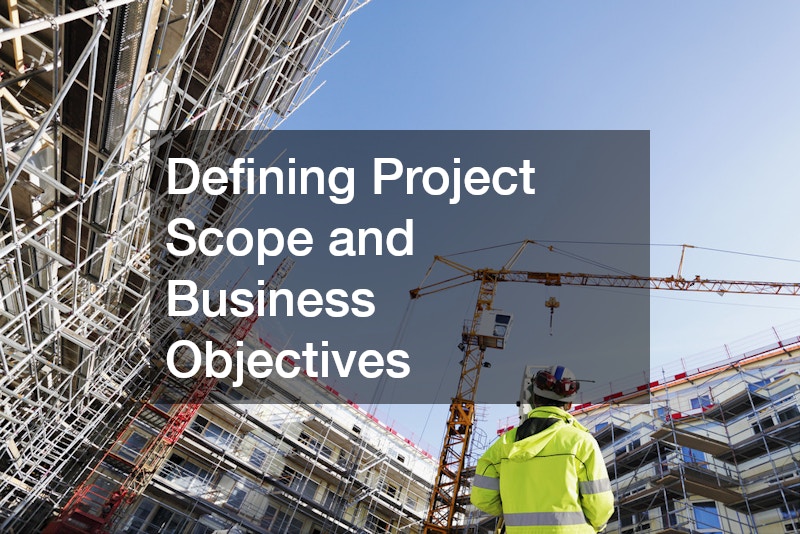
Commercial construction begins with a clear understanding of what the project needs to accomplish from a business perspective. Whether expanding operations, launching a new location, or investing in real estate, stakeholders must align the construction scope with long-term goals. This ensures that every design and build decision contributes to measurable outcomes such as revenue growth, operational efficiency, or brand positioning. Early alignment reduces costly revisions later in the process.
Identifying Property Requirements and Constraints
Each project comes with its own set of physical and logistical limitations. Site size, access points, environmental factors, and surrounding infrastructure all influence feasibility. Decision-makers should define must-have features alongside flexible elements that can be adjusted if needed. This stage is also where a build to suit development approach becomes valuable, allowing businesses to tailor the structure to specific operational requirements rather than adapting to an existing layout.
Establishing Budget Expectations Early
A realistic budget sets the tone for the entire project. It must account for land acquisition, labor, materials, permits, and contingency funds. Transparent financial planning allows teams to prioritize spending and avoid surprises. Working closely with financial advisors and construction professionals ensures that cost estimates reflect current market conditions and project complexity.
Conducting Feasibility Studies and Site Analysis
Evaluating Location, Zoning, and Land Use
Selecting the right site involves more than just location convenience. Zoning laws dictate how a property can be used, and understanding these regulations early prevents delays. Accessibility for employees, customers, and suppliers should also be considered. A thorough evaluation helps confirm that the site aligns with both operational needs and legal requirements.
Assessing Environmental and Soil Conditions
Environmental assessments identify potential risks such as contamination, flood zones, or unstable soil. These factors can significantly impact construction methods and costs. Soil testing, in particular, determines the type of foundation required and informs engineering decisions that affect structural stability.
Understanding Infrastructure and Utility Access
Reliable access to utilities like water, electricity, and telecommunications is essential. Evaluating existing infrastructure helps determine whether upgrades or new installations are necessary. Early coordination with utility providers can streamline the process and prevent disruptions during construction.
Securing Permits and Regulatory Approvals
Navigating Local Building Codes and Compliance
Compliance with building codes is non-negotiable in commercial construction. These regulations ensure safety, accessibility, and environmental responsibility. Understanding code requirements early allows architects and engineers to design within approved parameters, minimizing the risk of costly redesigns.
Coordinating With Municipal Authorities
Establishing a working relationship with local authorities can accelerate approvals. Regular communication ensures that all documentation is complete and that any issues are addressed promptly. This proactive approach reduces delays and keeps the project on schedule.
Managing Timelines for Approvals and Inspections
Permitting timelines can vary significantly depending on the jurisdiction and project complexity. Planning for these timelines helps avoid bottlenecks. Scheduling inspections at the appropriate stages ensures compliance and allows construction to progress without interruption.
Assembling the Right Project Team
Selecting Architects, Engineers, and Consultants
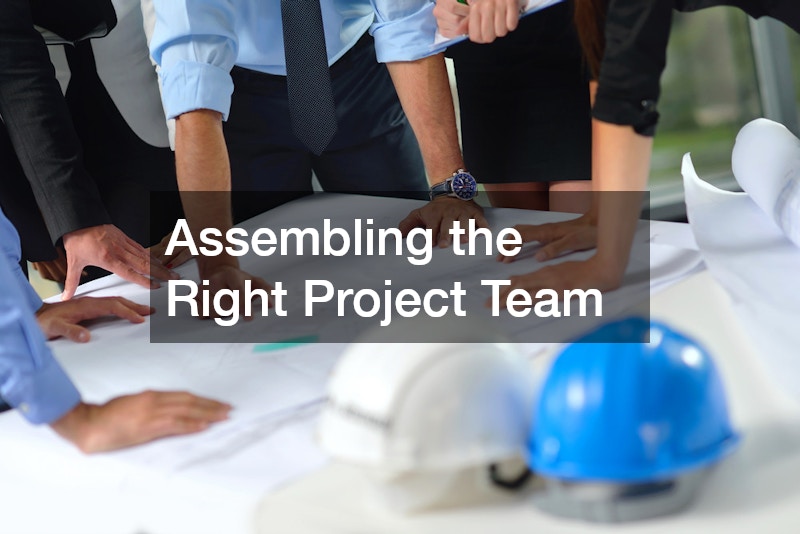
A successful project relies on experienced professionals who understand commercial construction requirements. Architects and engineers translate business goals into functional designs, while consultants provide specialized expertise. Choosing the right team sets the foundation for efficient collaboration.
Vetting Specialized Contractors and Vendors
Contractors play a critical role in execution, so thorough vetting is essential. Reviewing past projects, verifying credentials, and assessing reliability help ensure quality outcomes. For example, partnering with a reputable demolition service is crucial when clearing existing structures to prepare the site for new development.
Establishing Clear Roles and Responsibilities
Clear communication prevents misunderstandings and keeps the project organized. Defining responsibilities for each team member ensures accountability and streamlines decision-making. Regular meetings and updates help maintain alignment throughout the construction process.
Pre-Construction Planning and Design Development
Finalizing Architectural and Engineering Plans
Detailed plans serve as the blueprint for construction. They include structural designs, system layouts, and material specifications. Finalizing these plans before breaking ground reduces the likelihood of changes that can disrupt timelines and budgets.
Integrating Functionality With Long-Term Use
Commercial spaces must support both current operations and future growth. Designing with flexibility in mind allows businesses to adapt to changing needs without significant renovations. This approach maximizes the long-term value of the investment.
Value Engineering for Cost Efficiency
Value engineering focuses on optimizing design and materials to achieve cost savings without compromising quality. This process involves evaluating alternatives and making strategic adjustments that align with budget constraints while maintaining performance standards.
Site Preparation and Groundwork Execution
Clearing Existing Structures and Preparing the Site
Before construction begins, the site must be cleared and leveled. This process involves removing debris, vegetation, and any existing buildings. Proper preparation creates a stable foundation for subsequent phases and ensures safety on the job site.
Grading, Excavation, and Foundation Planning
Grading and excavation shape the land to meet design specifications. Working with an experienced excavating contractor ensures that soil is properly handled and that the site is ready for foundation work. Precision during this stage is critical to avoid structural issues later.
Coordinating Early-Phase Construction Activities
Early-phase activities require careful coordination to maintain efficiency. Scheduling equipment, labor, and material deliveries in advance prevents delays. Clear communication among team members ensures that each step is completed in the correct sequence.
Structural Construction and Core Building Systems
Foundation, Framing, and Load-Bearing Components
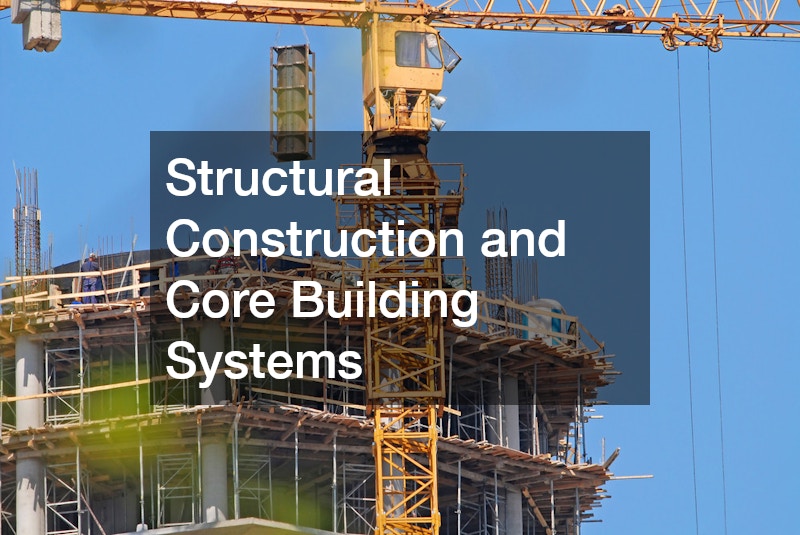
The structural phase establishes the building’s framework. Foundations must be strong enough to support the entire structure, while framing defines the layout. Collaborating with commercial concrete contractors ensures that foundational elements are poured and cured to meet strict performance standards. In addition, working with an experienced masonry company is essential for constructing durable load-bearing walls and structural components that contribute to the building’s overall integrity and longevity.
Installing Mechanical, Electrical, and Plumbing Systems
Core systems are integrated during this phase to support building functionality. Proper installation ensures efficient operation and compliance with regulations. Heavy materials and large system components are often positioned using specialized equipment such as a crane, which allows crews to safely and efficiently install structural elements and mechanical systems at scale. In piping and mechanical assemblies, selecting durable components like a forged steel fitting helps ensure long-term reliability under high pressure and demanding operating conditions. Coordination among trades is essential to avoid conflicts and maintain progress.
Ensuring Structural Integrity and Compliance
Regular inspections and quality checks verify that construction meets design specifications. Addressing issues promptly prevents costly repairs and ensures that the building remains safe and reliable.
Exterior Construction and Building Envelope
Roofing Systems and Weather Protection
The building envelope protects against environmental elements and contributes to energy efficiency. Selecting appropriate roofing materials ensures durability and reduces maintenance requirements. Proper installation is key to preventing leaks and structural damage.
Insulation, Energy Efficiency, and Climate Control
Effective insulation improves energy performance and occupant comfort. Incorporating a thermal insulation cover in critical areas helps regulate temperature and reduce energy costs. This approach supports sustainability goals while enhancing operational efficiency.
Exterior Finishes and Façade Design
The exterior appearance of a commercial building influences brand perception. High-quality finishes and thoughtful design create a professional image that attracts customers and tenants. Balancing aesthetics with functionality ensures long-term value.
Interior Buildout and Functional Customization
Designing Interior Layouts for Business Operations
Interior design should reflect how the space will be used. Efficient layouts improve workflow and enhance productivity. Collaboration between designers and business stakeholders ensures that the final result meets operational needs.
Installing Fixtures, Equipment, and Finishes
The installation phase brings the design to life. From flooring to lighting, each element contributes to the overall functionality and appearance of the space. Attention to detail ensures a polished and professional finish.
Preparing Spaces for Occupancy and Use
Before opening, the building must be fully equipped and compliant with safety standards. Testing systems and completing final adjustments ensures a smooth transition from construction to operation. Partnering with a reliable sign manufacturer can help establish clear branding and wayfinding, enhancing the customer experience from day one.
Final Inspections, Handover, and Operational Readiness
Conducting Quality Assurance and Safety Checks
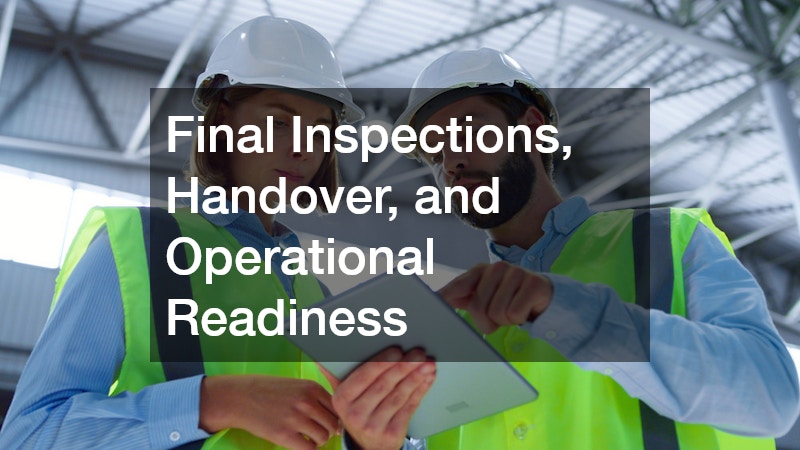
Final inspections verify that all work meets regulatory and design standards. Addressing any deficiencies ensures that the building is safe and ready for use. Comprehensive checks reduce the risk of issues after occupancy.
Completing Punch Lists and Final Adjustments
Punch lists identify remaining tasks that need to be completed before project closeout. These may include minor repairs or finishing touches. Completing these items ensures that the project meets expectations and contractual requirements.
Transitioning From Construction to Business Operations
The final phase involves handing over the building to the owner and preparing for operations. Training staff on building systems and maintenance procedures ensures a smooth transition. Proper documentation supports ongoing management and future upgrades.
Successful commercial construction is the result of thoughtful planning, skilled execution, and continuous oversight. Each stage, from defining objectives to completing final inspections, plays a critical role in delivering a functional and durable structure. Businesses that invest time in assembling the right team, conducting thorough analyses, and maintaining clear communication are better positioned to avoid delays and unexpected costs. By approaching construction as a strategic initiative rather than a standalone project, organizations can create spaces that not only meet immediate needs but also adapt to future demands.
Beyond the build itself, long-term performance should remain a central consideration. Operational efficiency, maintenance requirements, and scalability all influence the true return on investment. Decisions made during planning and construction—such as material selection, system design, and layout configuration—directly affect ongoing costs and usability. Prioritizing quality and durability upfront often reduces lifecycle expenses and minimizes disruptions to business operations over time.
Risk management is another defining factor in project success. Commercial construction involves multiple variables, including regulatory compliance, supply chain fluctuations, and labor coordination. Proactively identifying potential risks and implementing contingency plans allows businesses to maintain momentum even when challenges arise. This level of preparedness not only protects the project timeline but also safeguards financial resources.
Equally important is the role of communication and documentation throughout the process. Clear reporting structures, consistent progress updates, and detailed records ensure that all stakeholders remain aligned. This transparency supports faster decision-making and creates accountability across teams, which is essential for keeping complex projects on track.
Ultimately, well-executed commercial construction delivers more than just a completed building—it creates a strategic asset. When planned and managed effectively, the finished space enhances operational efficiency, supports brand identity, and positions the business for sustained growth.